

The pipelines of a distribution system can be divided into three functional categories: trunk mains that convey water in bulk from the source, usually to a service reservoir; principal feeder mains, or principal mains that convey relatively large quantities of water from the service reservoir into demand areas; and distribution mains that supply water to consumers' connections. Distribution mains are designed to meet the hourly variation of consumers' demand. The pipelines of the distribution system normally comprise the largest capital asset an undertaking possesses. Re-routing of pipeline flows may offer other alternatives. New mains can bring benefits in reducing leakage, improving pressures, and reducing bursts. Economic studies can also lead to other solutions, such as upgrading or automating pumping plant, or adopting some re-zoning of supplies. The latter can promote better pressure regimes, aid leak detection measures, and reduce problems of water quality deterioration through the distribution mains. There are few occasions when the design of a completely new distribution system is required, hence the majority of hydraulic studies and designs involve analyzing the performance of an existing system and where necessary improving its performance to meet demands from new developments and increased consumption by existing consumers. Because of the complex nature of existing systems and the need to meet more exacting performance criteria for service levels and water quality, distribution network analysis has become increasingly complex requiring the use of computers and hydraulic network analysis techniques.
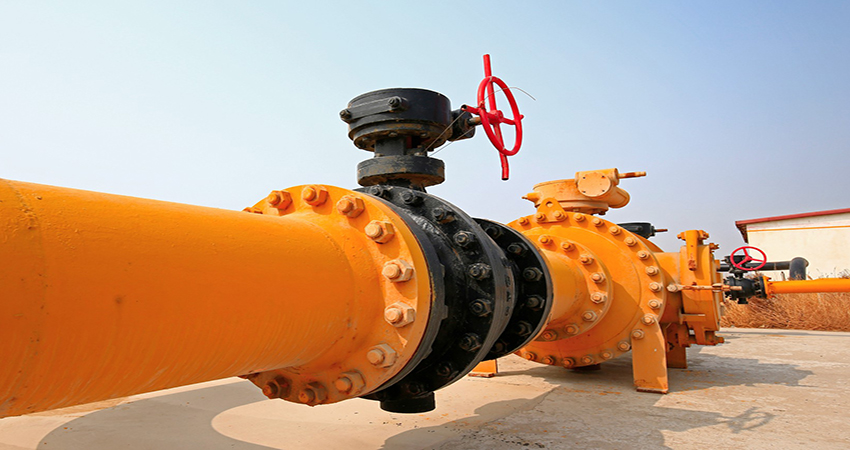
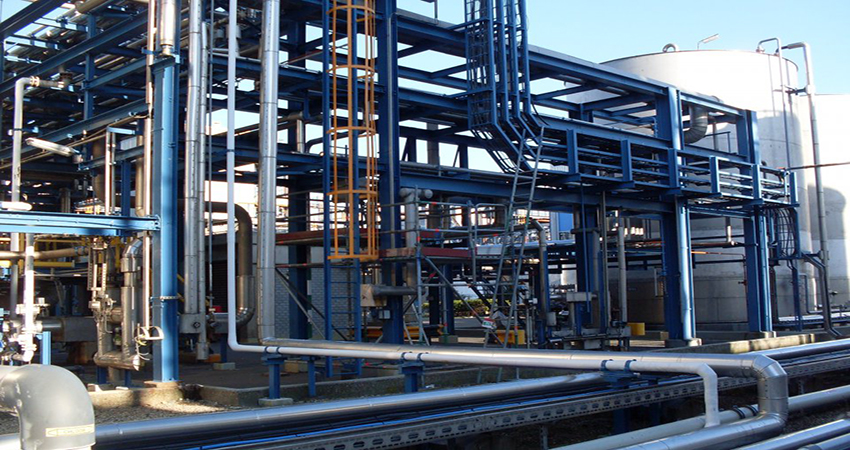
Terminals and Pipelines. Storage and distribution. In the path that oil follows from the well to the service station, we use a network of pipelines and terminals. They get the oil to the refineries and help when it comes time to ship the production.